The short version
An ADU — an accessory dwelling unit, the granny flat, the backyard cottage, the converted garage — is one of the smartest moves a Sonoma County homeowner can make right now. California loosened the rules, the county wants more of them, and around here a legal second unit can rent for real money or house family without a second mortgage across town. The problem is never the idea. It's the funding.
There are four main ways to pay for one, and they split cleanly by how much equity you have and whether you're paying for the unit before or after it's built. If you've got equity, a cash-out refinance or a HELOC pulls money you already have. If you don't have enough equity yet, a renovation loan or a construction loan lets you borrow against what the property will be worth once the ADU is done. I'll walk you through all four, and I'll tell you the one mistake that costs people the most: paying for the whole thing in cash or on credit cards when a real loan would've been cheaper and kept their savings intact.
Why are so many Sonoma County homeowners building ADUs?
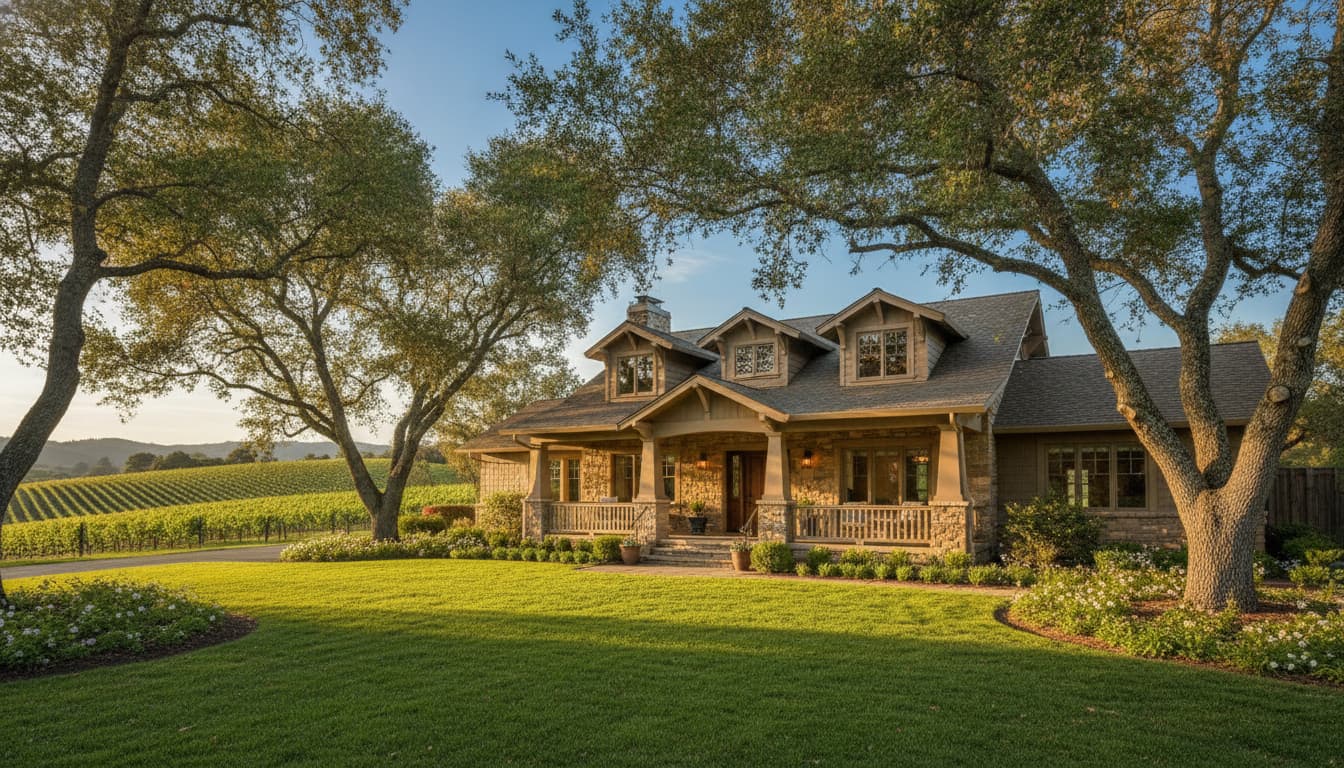
Two reasons, and they're both about our specific market. First, income. Rents in Santa Rosa, Petaluma, Healdsburg, and Sonoma are high enough that a well-built ADU can cover a big chunk of a mortgage payment — sometimes the whole thing. A backyard unit that rents in the range most of ours do is a real financial asset, not a hobby. Second, family. A lot of my clients are trying to get an aging parent close by, or give an adult kid a landing spot in a county where a starter home is out of reach. An ADU solves that without anybody moving to another town.
There's also the rebuild angle that's unique to us. Plenty of homeowners who went through the fires ended up with lots, insurance conversations, and a chance to rethink what goes on their property. Adding an ADU during a rebuild or a major remodel is often far cheaper per square foot than building one standalone later. If that's your situation, the financing question is worth answering before the plans are final, not after.
Option 1: Cash-out refinance — trade equity for a lump sum
If you've owned your home for a while, you're probably sitting on more equity than you realize — Sonoma County values have done that for a lot of people. A cash-out refinance replaces your current mortgage with a bigger one and hands you the difference in cash, which you then use to build the ADU. One loan, one payment, and the money's in your account before the first shovel hits the dirt.
The honest catch is your rate. If you locked a low rate a few years back, refinancing the whole balance to pull cash means giving that rate up on the entire loan, not just the new money. For some people that math still works; for others it's a dealbreaker and a HELOC makes more sense. This is exactly the kind of thing I run both ways before you decide — because the wrong call here can cost you more over the life of the loan than the ADU itself.
- Best when you have strong equity and your current mortgage rate isn't dramatically below today's rates.
- Gives you all the cash up front, which contractors like.
- One monthly payment instead of two.
- You typically need to leave some equity in the home — most programs cap how much you can pull.
- Closing costs apply, since it's a full refinance.
Option 2: HELOC or home equity loan — borrow without touching your first mortgage
This is the move when you love your current mortgage rate and don't want to lose it. A HELOC (home equity line of credit) or a fixed home equity loan sits behind your existing first mortgage as a second loan, so your original low-rate loan stays exactly where it is. You borrow against your equity for the ADU and leave the good rate alone.
A HELOC works like a credit line you draw from as the project bills come in — handy for construction, where you pay in stages instead of all at once, and you only pay interest on what you've actually used. The trade-off is that HELOC rates are usually variable, so your payment can move. A fixed home equity loan gives you one lump sum at a set rate instead. Which one fits depends on how your build is going to be paid out and how much rate certainty you want. Neither touches that first mortgage you're trying to protect.
- Keeps your existing first-mortgage rate untouched — the big advantage right now.
- HELOC: draw as you go, pay interest only on what you use, rate usually variable.
- Home equity loan: one lump sum, fixed rate, predictable payment.
- Requires enough equity to borrow against after the lender's limits.
- Great fit when a full cash-out refi would mean surrendering a low rate.
Option 3: Renovation loans — borrow against the finished value
Here's the one most homeowners have never heard of, and it's often the answer when you don't have much equity yet. A renovation loan — the FHA 203(k) and the conventional versions like Fannie Mae's HomeStyle — lets you borrow based on what the property will be worth after the ADU is built, not what it's worth today. That's a big deal, because it means you're not stuck waiting years to build up equity before you can start.
These loans wrap the purchase or refinance and the construction cost into a single mortgage, with the renovation money held back and released to the contractor as the work gets done and inspected. They come with more paperwork and a required scope of work, and the contractor has to play by the program's rules — but for the right project they're the difference between building now and building never. I'll be straight with you: they're more involved to close, which is exactly why you want someone who's done them handling the file instead of a lender fumbling through their first one.
- Borrows against the home's after-completion value — powerful when current equity is thin.
- Combines the existing loan and the ADU cost into one mortgage.
- Funds are released to the contractor in draws as work passes inspection.
- Requires a defined scope of work and a contractor who'll follow program rules.
- FHA 203(k) is more credit-flexible; conventional HomeStyle can be cheaper long-term if your credit is strong.
Option 4: Construction loans — for the ground-up build
If you're putting up a detached, built-from-scratch ADU — a real second structure, not a garage conversion — a construction loan is often the cleanest fit. It funds the build in stages tied to milestones, and depending on the product it either converts into your permanent mortgage when the unit's done or gets paid off by a refinance at the end.
Construction financing has more moving parts than a straight refinance: draw schedules, inspections, contractor approval, and a timeline the lender is watching. That's normal for the product, not a red flag. The thing that trips people up is starting the build with cash or short-term credit and assuming they'll 'figure out the financing later' — then discovering the numbers don't line up. Line up the financing first. Construction, ADUs, and the wine-country lot quirks we deal with out here reward planning the money before the permits.
Which ADU financing option is right for me?
It comes down to two questions. How much equity do you have, and do you want to keep your current mortgage rate? If you've got solid equity and your rate isn't precious, a cash-out refinance is simple and gives you all the cash at once. If you've got equity but you're guarding a low first-mortgage rate, a HELOC or home equity loan borrows around it. If your equity is thin, a renovation loan lets you build against the finished value instead of waiting. And if it's a full ground-up structure, a construction loan is built for exactly that.
There's no single best answer — there's the one that matches your equity, your rate, and how the ADU gets paid for as it's built. As a broker I can put these side by side with real monthly numbers instead of you guessing, and I'll tell you honestly when the smart move is to wait or to restructure. Before you call a contractor, call me and let's figure out how you're paying for it — because that answer often shapes the whole project.